



Metal components are traditionally joined using screws, bolts, welding or other mechanical methods. However, adhesive bonding is another option for applications where a clean finish and an even distribution of stress are important.
Specialist bonding tapes are used in manufacturing, construction, sign making and automotive applications. The key is to select a tape that is compatible with the metal surface and the conditions it will face.
Understanding metal bonding tape
Bonding tape for metal is designed to attach components to metal surfaces or join solid materials together. High-bond acrylic tapes are commonly used for permanent bonding applications.
Unlike a screw or bolt, an adhesive tape can distribute the load across the bonded area. Certain acrylic tapes can also absorb vibration and help create a weather-resistant joint.
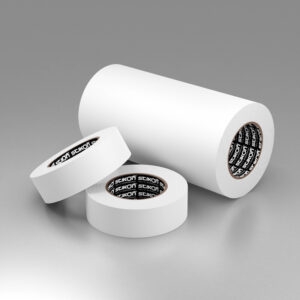
STIKON's S-Bond range includes acrylic bonding tapes for solid surfaces, including metals, plastics and powder-coated materials.
Why use tape instead of mechanical fixings?
There are several reasons manufacturers may consider adhesive tape for metal bonding.
A clean finish: Tape can avoid visible screws, bolts and brackets.
No drilling: It can provide a fixing method without making holes in the metal.
Even stress distribution: Adhesive bonding spreads stress across the bonded area rather than concentrating it around individual fixing points.
Vibration absorption: Certain acrylic bonding tapes can help absorb vibration and dynamic stress.
Weather resistance: Some specialist tapes are designed for long-term outdoor applications and can help keep moisture away from the bonded joint.
Common applications
Metal bonding tape is used in several industries and applications, including:
- Fixing badges and trims
- Sign and fascia production
- Joining metal panels and components
- Construction and appliance manufacturing
- Bonding selected automotive components
- Attaching components to powder-coated surfaces
STIKON's S-Bond Black acrylic structural bonding tape is designed for permanent bonding of solid components, including metals, composites and painted or powder-coated surfaces.
Preparing metal surfaces
Surface preparation has a direct effect on adhesive performance. Dust, grease and other contaminants can interfere with the bond.
Before applying tape, clean the surface and follow the manufacturer's instructions. Apply suitable pressure to ensure good contact between the adhesive and the metal.
It is also important to consider the surface finish. Bare metal, painted metal and powder-coated surfaces may behave differently, so check the product's compatibility before use.
Choosing the right bonding tape
The best bonding tape depends on the metal, the component being attached and the working environment. Consider the required bond strength, tape thickness, exposure to moisture and temperature changes.
STIKON offers high-bond acrylic options for different solid-surface applications. Reviewing the product specifications can help identify a suitable tape for the intended job.


<a href=""https://www.louisvillejerseystore.com"">Louisville Jersey Store</a>
<a href=""https://www.louisvillejerseystore.com/shop-by-players/lamar-jackson-louisville-jersey"">Lamar Jackson Louisville Jersey</a>
<a href=""https://www.louisvillejerseystore.com/shop-by-players/lincoln-kienholz-louisville-jersey"">Lincoln Kienholz Louisville Jersey... more