



Bald spots can affect the overall appearance of the hair and influence how people feel about their personal image. Whether caused by hereditary hair loss, thinning, or other factors, these areas can become a noticeable concern for individuals seeking fuller-looking hair. For those exploring Hair Transplant in Dubai, understanding the suitability of this option for filling bald spots is an important starting point. The decision depends on the pattern of hair loss, scalp condition, available donor hair, and individual expectations. Learning about these considerations can help people make informed choices about addressing visible gaps in their hair.
Understanding Bald Spots and Hair Loss
Bald spots are areas of the scalp where hair becomes noticeably thin or disappears. Their size, location, and appearance can vary considerably from person to person. Common contributing factors include:
-
Hereditary patterns of hair loss.
-
Certain medical conditions affecting the scalp.
-
Hormonal changes and aging.
-
Physical or emotional stress that may influence hair shedding.
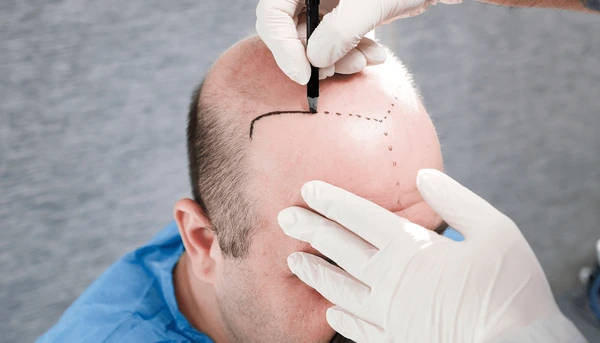
Can Hair Transplant Address Different Bald Spots?
The location and extent of baldness are important considerations. Some individuals have small, clearly defined gaps, while others experience broader areas of thinning across the scalp. A hair transplant may be considered for concerns involving:
-
Receding areas near the temples.
-
Noticeable gaps along the frontal hairline.
-
Sparse sections around the crown.
-
Certain localized areas affected by hair loss.
The Importance of Donor Hair Availability
Donor hair availability is a major consideration when evaluating hair restoration. The density and quality of hair in potential donor areas can influence whether enough suitable hair is available to address the areas of concern.
People with adequate donor hair may have more options for addressing localized bald spots than those experiencing extensive hair loss. Nevertheless, the amount of available hair must be considered alongside the size of the affected area. Expectations should remain realistic, particularly when bald spots cover a substantial portion of the scalp.
Is Hair Transplant Suitable for Every Type of Baldness?
Hair transplantation is not universally suitable for all forms of hair loss. Hereditary baldness may be considered differently from hair loss associated with active scalp conditions or certain medical concerns.
For example, patchy hair loss associated with an autoimmune condition may require a different approach from stable, pattern-related baldness. Hair loss caused by inflammation or scarring also requires careful evaluation. Determining the cause of baldness helps clarify which options may be appropriate.
Considering Hair Density and Natural Appearance
Filling a bald spot involves more than covering an empty area. The surrounding hair density, hairline shape, and natural direction of hair growth all influence the overall appearance of the scalp.
A person's existing hair pattern should be considered when evaluating potential restoration options. These details are particularly relevant for individuals who want their hair to look consistent with their natural features rather than noticeably different from surrounding areas.
How Existing Hair Loss Patterns Matter
Hair loss may continue to develop over time, especially when it is hereditary. A bald spot that appears isolated today may exist alongside thinning in other areas of the scalp.
Considering the broader pattern of hair loss is therefore important when exploring restoration. Focusing exclusively on one visible gap may overlook changes occurring elsewhere. A comprehensive assessment can help identify whether hair loss appears stable or progressive and whether other scalp areas may require consideration.
Important Factors to Evaluate Before Choosing
Before deciding whether transplantation is an appropriate option, individuals should consider their overall hair condition and personal priorities. Relevant considerations include:
-
The cause and extent of hair loss.
-
The health of the scalp and surrounding hair.
-
The availability of suitable donor hair.
-
Personal expectations regarding coverage and density.
-
Any underlying conditions contributing to baldness.
Alternatives for Managing Visible Bald Spots
Hair transplantation is not the only way to address the appearance of bald areas. Depending on the underlying cause, other options may help individuals manage visible thinning.
Hairstyling techniques can provide temporary coverage, while hair fibres and scalp concealers may reduce the contrast between sparse hair and exposed scalp. Certain medical treatments may also be appropriate for specific types of hair loss following professional assessment.
Final Thoughts
A hair transplant can be a suitable option for some people seeking to fill bald spots, particularly when their hair loss pattern, scalp condition, and donor hair availability support consideration of transplantation. However, it is not a universal solution, and individual circumstances play a significant role in determining suitability. Understanding the cause of baldness, evaluating existing hair density, and considering the broader pattern of hair loss can help people make informed decisions.