


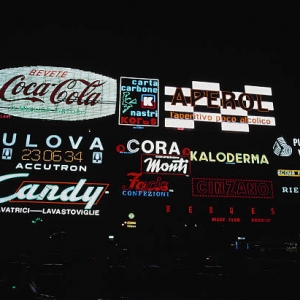
Lighting can completely change how a space looks and feels. While conventional lighting is mainly used to brighten a room, decorative lighting can also contribute to its personality, atmosphere, and visual identity. This is where Custom Neon Lights have become an interesting option for homeowners, professionals, retailers, cafés, studios, and other commercial spaces.
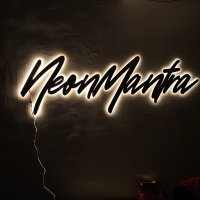
Modern neon-style signage is no longer limited to traditional storefront signs. Today, it can be designed around names, short phrases, logos, symbols, artwork, or simple decorative concepts. Because the design can be adapted to a particular space, neon signage can serve both a functional and decorative purpose.
The right design depends on where the light will be installed. A sign intended for a bedroom may require a very different approach from one designed for a reception area or retail store. Considering the purpose, size, placement, visibility, and overall interior design can help create a result that looks intentional rather than simply adding another light source.
What Makes Custom Neon Lights Different?
The main difference between standard decorative lighting and custom signage is the ability to create a design around a specific idea.
Instead of selecting a ready-made shape, customers can explore designs based on:
- Names
- Short messages
- Initials
- Business names
- Logos
- Symbols
- Simple illustrations
- Brand elements
- Decorative phrases
This flexibility makes neon signage suitable for spaces with very different visual requirements.
The design can also be considered alongside the existing furniture, wall colour, architecture, and other decorative elements.
Using Neon Lights at Home
Home interiors provide plenty of opportunities for creative lighting. A well-placed neon sign can become a small focal point without requiring a complete change to the room.
The key is to select a design that complements the existing environment.
Bedroom Décor
A bedroom is often one of the easiest places to introduce decorative lighting.
A short word, name, initials, or simple symbol can be placed above a bed, dressing area, desk, or empty wall.
The design should not be excessively large if the room already contains several decorative elements. A simple sign can often create a cleaner appearance.
Living Room
In a living room, neon signage can be used as an accent feature.
A sign may be positioned behind a sofa, on a feature wall, near a media unit, or in a dedicated corner.
Rather than filling an entire wall, consider using the light as one visual element within the wider interior design.
Home Office
A home office can benefit from a personalised visual feature without becoming distracting.
A name, initials, motivational phrase, or minimalist symbol can work well above a desk or on a background wall.
For people who regularly participate in video meetings, the wall behind the desk can also become an important part of the room's visual presentation.
Entertainment Areas
Gaming rooms, music corners, home bars, and entertainment spaces often provide more freedom for creative lighting.
Here, brighter designs, symbols, and playful phrases can complement the purpose of the room.
The design should still be proportional to the available wall space.
Neon Lights for Offices
Offices often need to balance professionalism with personality.
Lighting can contribute to this balance when it is designed thoughtfully.
Reception Areas
A reception wall is one of the most visible areas in an office.
A company name or logo in illuminated form can help establish a clear visual identity when visitors enter the space.
The sign should be appropriately sized for the wall and positioned where it is easy to see without overwhelming the reception area.
Meeting Rooms
Meeting rooms can also use subtle illuminated designs.
For example, a simple company value, department name, or understated symbol can add personality without making the room feel overly decorative.
The choice of design should reflect the organisation's overall visual style.
Creative Workspaces
Design studios, advertising agencies, media companies, photography studios, and similar workplaces may have greater freedom when choosing decorative elements.
Creative Custom Neon Lights can become part of the office environment while contributing to the character of the workspace.
However, excessive brightness should be avoided in areas where employees need to concentrate for long periods.
Neon Signs for Businesses
Businesses have a particularly strong reason to consider illuminated signage because their visual identity needs to work for customers.
Retail stores, restaurants, cafés, salons, hotels, studios, and entertainment venues can all use neon-style signs in different ways.
Retail Stores
A retail environment can use illuminated lettering for:
- Brand names
- Product categories
- Promotional areas
- Photo corners
- Entrance features
- Decorative walls
The design should be consistent with the store's branding and target audience.
Cafés and Restaurants
Food and beverage businesses often use lighting to create an atmosphere that customers remember.
A short phrase, restaurant name, logo, or themed illustration can work particularly well behind a counter or on a feature wall.
A visually interesting sign may also become part of customer photographs, helping the space feel more distinctive.
Salons and Studios
Beauty salons, photography studios, fitness spaces, and creative studios can use illuminated signs to reinforce their identity.
A carefully selected phrase or logo can complement the interior without competing with the main services offered by the business.
Choosing the Right Design
The design is one of the most important decisions when ordering a custom sign.
Start with the message or visual idea rather than choosing a colour or size first.
Ask yourself:
- What should the sign communicate?
- Who will see it?
- Where will it be installed?
- Should it be decorative or functional?
- Does it need to represent a brand?
- Should the design be minimal or expressive?
Shorter designs are often easier to read and visually cleaner, especially when the sign will be viewed from a distance.
Selecting the Appropriate Size
Size should be determined by the installation area.
A sign that is too small may disappear against a large wall, while an oversized sign can make a smaller room feel crowded.
Before ordering, measure the available wall space.
Consider both:
- Width
- Height
Also account for surrounding furniture, shelves, artwork, doors, windows, and other objects.
For business signage, think about viewing distance as well. A design that looks clear up close may not be equally readable from across a room or from outside a storefront.
Choosing Colours Carefully
Colour has a major influence on the appearance of illuminated signage.
The right colour depends on the surrounding interior, brand identity, and intended mood.
For home décor, the colour can be selected to complement furniture and wall tones.
For businesses, brand colours may be more appropriate if the sign is being used as part of visual identity.
It is generally better to select one or two coordinated colours than to introduce too many competing tones into a single design.
Consider the Wall and Installation Location
Before installation, examine the wall itself.
Consider:
- Wall material
- Available electrical connection
- Mounting method
- Cable position
- Distance from furniture
- Visibility
- Accessibility
The installation location should also make sense from a practical perspective.
A decorative sign placed behind an object or in a poorly visible corner may not have the intended effect.
Energy Use and Everyday Operation
Modern illuminated signage can be designed for regular use, but energy consumption should still be considered.
If the sign will remain switched on for several hours every day, ask about its electrical requirements and expected power consumption.
Using a suitable switch or timer can also make operation more convenient.
For offices and businesses, automated operating schedules may be useful if the sign does not need to remain illuminated outside working hours.
Safety and Maintenance
Any electrical decorative product should be installed and operated responsibly.
Follow the manufacturer's installation and operating instructions.
Keep electrical components protected from moisture unless the product is specifically designed for that environment.
For cleaning, use the method recommended by the manufacturer. Avoid harsh chemicals or excessive moisture that could damage the surface or electrical components.
Periodically check visible cables, connections, and mounting points. If you notice damage or an electrical problem, discontinue use and seek appropriate professional assistance.
How to Make a Neon Sign Look Natural
A common mistake is treating a neon sign as something that must dominate the entire room.
In many interiors, a more balanced approach works better.
Consider combining the sign with:
- Neutral walls
- Simple furniture
- Indoor décor
- Artwork
- Shelving
- Mirrors
- Textured surfaces
- Subtle accent lighting
The objective is to allow the illuminated design to stand out while still feeling connected to the rest of the room.
Why Customisation Matters
The biggest advantage of Custom Neon Lights is that the final design can be created around the space rather than forcing the space to accommodate a standard product.
A homeowner can choose a design that has personal meaning.
A company can incorporate its identity.
A café can develop a sign that matches its atmosphere.
An office can use a design that reflects its culture.
This makes customised signage more versatile than generic decorative lighting.
Choosing a Reliable Supplier
Before ordering Neon Lights, look beyond photographs.
Review the supplier's information about materials, dimensions, electrical specifications, installation, warranty, and after-sales support.
Ask for a design preview when available so you can understand how the finished sign is expected to look.
It is also worth checking customer feedback for information about build quality, brightness, packaging, installation, and overall experience.
Clear communication before production can help avoid mistakes involving spelling, dimensions, colours, or mounting requirements.
Final Thoughts
Custom Neon Lights can bring a distinctive visual element to homes, offices, and business environments. Their flexibility allows them to be designed around personal names, messages, symbols, logos, or other ideas, making them suitable for a wide range of interiors.
At home, a carefully selected sign can add character to bedrooms, living rooms, home offices, and entertainment areas. In professional environments, illuminated designs can contribute to reception areas, meeting rooms, studios, and creative workspaces. For businesses, Neon Lights can become part of a store, café, salon, restaurant, or branded customer area.
The best result comes from treating the sign as part of the overall space rather than as an isolated decoration. Consider the design, size, colour, placement, electrical requirements, safety, and surrounding décor before making a decision.
With thoughtful planning and a design that genuinely suits its environment, neon signage can become a practical and visually distinctive part of an interior for years to come.