







If you are planning to pursue a nursing career, completing a short-term phlebotomy certification training can give you a strong advantage. Phlebotomy training equips you with practical clinical skills, patient interaction experience, and an understanding of medical procedures—all of which are highly valued by nursing schools. Not only does it demonstrate your commitment to healthcare, but it also allows you to gain hands-on experience before starting your formal nursing education.
Understanding Phlebotomy Training
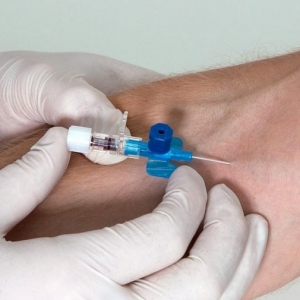
Phlebotomy training focuses on the safe collection of blood samples, proper specimen handling, infection control, and patient care. A short-term certification course typically combines classroom instruction with practical laboratory sessions. Students learn essential techniques, including venepuncture, capillary sampling, and proper record-keeping. By completing such a course, you gain both the theoretical knowledge and practical skills that form the foundation of many healthcare roles.
In addition to technical skills, phlebotomy training emphasises professional communication, patient comfort, and workplace safety. These soft skills are crucial for nursing, as nurses constantly interact with patients, families, and other medical staff in fast-paced environments.
How Phlebotomy Training Strengthens Your Nursing Application
- Demonstrates Practical Healthcare Experience
- Nursing schools look for applicants with real-world experience in healthcare settings. Completing a phlebotomy course allows you to work with patients, perform clinical tasks, and understand hospital or clinic protocols. This hands-on experience gives you a competitive edge when applying to nursing programmes.
- Builds Essential Clinical Skills
- Phlebotomy training teaches skills that directly relate to nursing practice. Accurate blood collection, understanding laboratory procedures, and maintaining hygiene and safety protocols are all essential competencies in nursing. Showing proficiency in these areas reassures admissions committees that you are prepared for the demands of the course.
- Boosts Confidence in Patient Interaction
- Nursing requires strong interpersonal skills. During phlebotomy training, you learn how to communicate with patients, put them at ease, and manage anxiety during blood draws. These experiences develop empathy, patience, and professionalism—traits that nursing schools highly value.
- Enhances Your CV and Personal Statement
- A short-term phlebotomy certification is a recognised qualification that can be included in your application. Highlighting your training in your personal statement or CV shows initiative, commitment to healthcare, and a proactive approach to gaining clinical experience. This can significantly strengthen your application, particularly if you have limited exposure to healthcare environments.
- Provides a Pathway to Clinical Observation and Volunteering
- Many phlebotomy courses offer placement opportunities or access to healthcare settings where you can observe clinical procedures. This exposure provides insights into nursing workflows, patient care standards, and teamwork in medical environments. Nursing schools highly regard such experiences and can provide valuable references for your application.
Choosing the Right Phlebotomy Course
Not all phlebotomy courses are created equal. To maximise your benefit for nursing school applications, consider the following:
- Accreditation: Choose CPD-accredited courses recognised by UK healthcare providers.
- Practical Focus: Ensure the course offers hands-on training rather than only theoretical lessons.
- Duration: Short-term courses are ideal if you want to quickly gain skills and experience before applying to nursing school.
- Support and Placement Opportunities: Some courses offer guidance or placement in clinical settings, adding real-world experience to your application.
By selecting the right programme, you can gain relevant skills quickly and efficiently, preparing you for both your nursing studies and your future career.
Conclusion
Completing a short-term phlebotomy certification training is a strategic step for aspiring nurses. It equips you with practical clinical skills, patient care experience, and confidence in healthcare settings. Furthermore, it strengthens your nursing school application by demonstrating initiative, professionalism, and hands-on experience. For anyone considering a nursing career, phlebotomy training is not just a skill-building exercise—it is a stepping stone toward a successful and rewarding career in healthcare.