



Mild skin pigmentation can make the complexion appear less even, especially when small dark spots, sun-related discoloration, or lingering marks become noticeable. For people exploring modern options, Pico Laser Treatment in Dubai is often considered because it is designed to address unwanted pigmentation while supporting a more balanced-looking complexion. However, suitability depends on the type of pigmentation, skin characteristics, and individual concerns. Understanding what this treatment may be appropriate for can help determine whether it fits mild pigmentation concerns.
What Is Mild Skin Pigmentation?
Mild pigmentation generally refers to subtle areas of increased color that are not deeply established or widespread across the skin. It can occur on the face, neck, hands, or other exposed areas and may become more visible over time.
- Small sun spots
- Mild post-acne marks
- Uneven patches of skin tone
- Freckles
- Subtle areas of discoloration
Why Does Mild Pigmentation Develop?
Pigmentation can develop for many reasons, and identifying potential contributing factors is important when considering any aesthetic treatment. Environmental exposure is one common influence, particularly when skin is frequently exposed to ultraviolet radiation.
Other factors may include previous blemishes, hormonal changes, genetics, and certain skin conditions. Even minor inflammation can sometimes leave behind temporary or persistent discoloration.
Can Pico Laser Address Mild Discoloration?
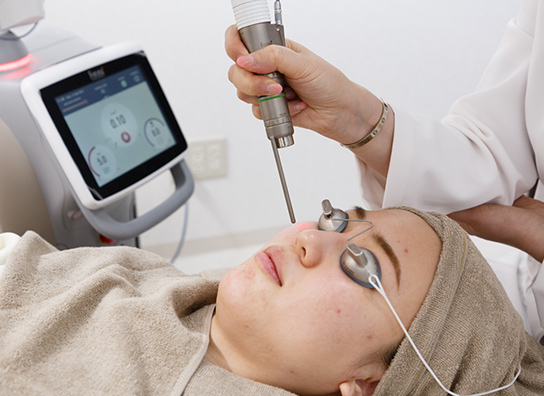
Pico laser technology is commonly associated with concerns involving unwanted pigmentation and uneven skin tone. It uses extremely short pulses of laser energy and is designed for targeted treatment of pigmented areas.
For someone with mild pigmentation, this approach may be considered when the primary concern involves superficial discoloration rather than extensive or complex pigmentation. The treatment can be particularly relevant when an individual wants to address visible spots or areas of uneven tone.
Which Pigmentation Concerns May Be Considered?
Pico laser treatments can be discussed for several forms of mild pigmentation. The suitability of the treatment depends on the characteristics of each concern rather than simply how dark or noticeable the pigmentation appears.
- Sun-related spots
- Freckles and localized pigmentation
- Mild post-inflammatory discoloration
- Uneven facial pigmentation
- Certain superficial dark marks
A professional skin evaluation is particularly important when pigmentation is irregular, changing, or difficult to identify. Some marks may require a different form of assessment rather than an aesthetic laser approach.
Is It Appropriate for Different Skin Types?
Skin pigmentation concerns can be more complicated for people with medium to deeper skin tones because the skin may respond differently to energy-based treatments. The risk of temporary or unwanted pigment changes can vary depending on individual characteristics.
This does not automatically make Pico laser unsuitable for darker skin. Instead, careful evaluation and appropriate treatment selection are important. Factors such as natural skin tone, tanning, sensitivity, previous pigmentation problems, and the type of discoloration can all influence suitability.
What Factors Influence Suitability?
There is no universal answer to whether Pico laser is suitable for mild pigmentation. A person's overall skin condition and the nature of the pigmentation should be considered together.
- The type and depth of pigmentation
- Natural skin tone
- Skin sensitivity
- History of pigmentation changes
- Presence of active irritation or inflammation
These considerations help determine whether Pico laser is a reasonable option or whether another approach may be more appropriate.
Can It Be Considered for Post-Acne Marks?
Post-acne pigmentation is a common reason people seek help for uneven skin tone. After inflammation settles, some individuals are left with flat brown, gray, or darker marks that remain even after the original blemish disappears.
Still, pigmentation and acne scarring are not the same concern. A depressed or raised scar has a structural component, whereas a flat dark mark is primarily a color change. Distinguishing between them is important when considering treatment suitability.
What Should Be Considered Before Treatment?
Anyone considering Pico laser for mild pigmentation should first understand that pigmentation can behave unpredictably if the skin is irritated or exposed to factors that encourage further discoloration.
A professional assessment can help determine whether the marks are suitable for laser treatment and whether any underlying skin issue should be addressed first. It is also useful to discuss previous reactions to aesthetic treatments and any products being used on the skin.
When Might Another Approach Be More Suitable?
Pico laser is not necessarily the ideal choice for every pigmentation concern. Some discoloration may be associated with hormonal influences, inflammatory skin conditions, medication, or deeper pigment patterns.
In such cases, treating the visible pigmentation without considering its contributing factors may not be the most appropriate strategy. A skincare professional can help determine whether another option, a combination approach, or management of the underlying trigger would be more suitable.
Final Thoughts
Pico laser may be suitable for selected cases of mild skin pigmentation, particularly when the concern involves visible discoloration such as certain sun spots, freckles, or post-inflammatory marks. However, suitability depends on more than the presence of pigmentation. Skin type, pigmentation characteristics, sensitivity, underlying causes, and previous skin responses all need consideration. For mild pigmentation, an individualized assessment is valuable because similar-looking marks can have very different causes.