






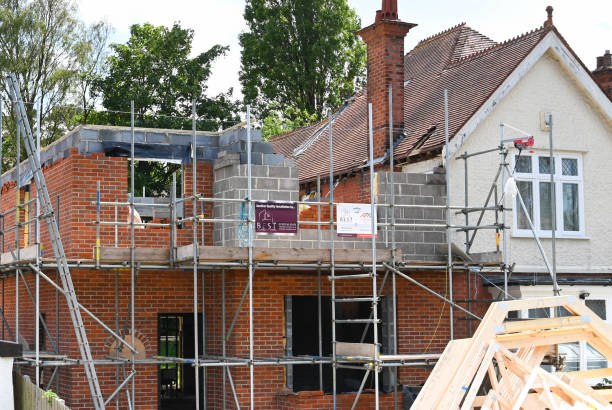
A house extension can give you more living space without the need to move. In Islington, where many homes have limited floor space, a well-planned extension can make a major difference to how a property feels and functions. However, extending a home requires careful planning, realistic budgeting, and an understanding of local requirements.
Before starting a house extension in Islington, homeowners should consider the property type, available space, planning rules, construction costs, and the overall design. Taking these factors into account early can help prevent delays and unexpected expenses.
Understand Your Property Before Planning an Extension
Every home has different opportunities and limitations. The property's layout, age, structure, and surrounding buildings can affect what type of extension is suitable.
Check the Existing Layout
Start by looking at how your current rooms are used. A rear extension may create a larger kitchen and dining area, while a side extension could provide additional storage, office space, or a utility room.
Think about how the new space will connect with the existing house. Good design should improve the flow between rooms rather than simply add extra floor area.
Consider Your Outdoor Space
Garden space is particularly valuable in Islington. An extension can reduce the size of your garden, so consider how much outdoor space you are willing to sacrifice.
A smaller but well-designed extension may provide better long-term value than a larger structure that makes the garden feel cramped.
Check Planning Permission and Building Regulations
Planning rules are one of the most important parts of a home extension project. Not every extension requires the same type of approval.
Planning Permission
Some residential extensions may fall under permitted development rights, while others require formal planning permission. The requirements can depend on the property's location, size, design, and previous alterations.
Some properties may also have additional restrictions. Conservation areas and listed buildings can require greater care when planning external changes.
Homeowners should check the current Islington planning requirements before committing to a design or construction work.
Building Regulations
Planning permission and building regulations are separate matters. Building regulations focus on construction standards, including structural safety, insulation, ventilation, fire safety, drainage, and energy efficiency.
Even when planning permission is not required, building regulations may still apply. Proper approval helps ensure that the finished extension meets required standards.
Create a Realistic House Extension Budget
Cost is often one of the biggest concerns for homeowners considering an extension. The final price depends on the size, design, materials, structural requirements, and level of finish.
Understand the Main Costs
A house extension budget may include construction work, architectural or design services, structural calculations, planning-related expenses, building regulation fees, materials, and internal finishes.
Kitchen extensions can also become more expensive when homeowners choose premium appliances, bespoke cabinets, large glazing systems, or high-end flooring.
Keep a Contingency Fund
Unexpected problems can appear during construction, especially when working with older properties. Existing drainage, foundations, electrical systems, or structural issues may require additional work.
Keeping a contingency allowance in the budget can make it easier to handle unexpected costs without disrupting the project.
Choose the Right Extension Design
The best extension is not always the biggest one. Good design makes efficient use of the available space while maintaining the character and practicality of the property.
Rear and Side Extensions
Rear extensions are popular for creating larger kitchens, dining areas, and family rooms. They can introduce more natural light and provide a stronger connection with the garden.
Side extensions can make use of underused areas beside a property. However, homeowners need to consider access, boundaries, neighbouring properties, and the overall appearance of the building.
Think About Natural Light
Natural light can make an extension feel larger and more comfortable. Rooflights, skylights, glazed doors, and carefully positioned windows can help bring daylight into the new space.
The design should also consider privacy and overheating, particularly where large areas of glass are used.
Consider Your Neighbours and Construction Impact
Building work can affect neighbouring properties, access routes, parking, noise levels, and shared boundaries.
Communicate Early
Talking to neighbours before construction begins can help reduce misunderstandings. Explain the general schedule and discuss any potential access or noise issues.
Where work involves a party wall or structure shared with another property, specialist legal requirements may apply. Getting the correct advice before construction starts can prevent disputes later.
Plan for Construction Disruption
Extension projects can create dust, noise, limited access, and temporary disruption inside the home. A clear construction schedule can help homeowners prepare for these changes.
If the kitchen or another essential room will be unavailable, plan temporary alternatives before work begins.
Plan for Long-Term Value
A house extension should improve the property for years rather than simply provide additional square footage.
Focus on Functionality
Consider how your household may use the space in the future. A flexible room could serve as a dining area, home office, playroom, or additional living space.
Think about storage, heating, lighting, ventilation, and electrical outlets during the design stage. Adding these features later can be more expensive and disruptive.
Match the Existing Home
A successful extension should work visually with the original property. Materials, windows, rooflines, and proportions should be considered carefully.
A modern extension can still complement a traditional Islington home when the design creates a balanced relationship between old and new.
Final Thoughts
A house extension in Islington can be a practical way to improve space, comfort, and functionality without moving to a larger property. However, homeowners should investigate planning requirements, building regulations, costs, design options, and construction challenges before starting.
Good preparation can reduce unexpected problems and help create an extension that works well with the existing home. For homeowners looking for professional support with extension and construction projects, BBS Design & Build can be considered as one option.