


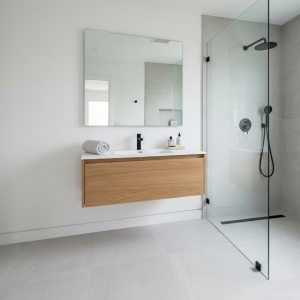





Oversized panels are reshaping how we think about interior surfaces. They eliminate visual breaks. They make modest rooms feel expansive. They bring a gallery-quality finish that smaller tiles cannot approach. You step into a tile shop, glance at the per-square-foot rate, and start mentally renovating your space.
That rate is only the surface. Anchor your budget to it alone, and you will face a shortfall before the job is half complete. Installing large format tiles is a craft apart from standard tiling. Before you open your first bag of adhesive, understand where the real money goes.
The Subfloor Reality Check
Large format tiles are merciless about what lies beneath. A conventional 12-inch ceramic can bridge minor dips and hide gentle humps. A 24x48 slab will not. It will teeter on the high point. It will fracture over the low one.
Before any adhesive touches the surface, the subfloor must achieve strict flatness. The distinction matters: flat, not level. The floor need not be perfectly horizontal, but across any extended span, variation must be minimal.
This usually means pouring self-leveling underlayment or applying patching compounds. Wood subfloors may need an extra layer of plywood to reduce deflection, since large format tiles demand a base that barely moves. Concrete requires crack sealing and void filling.
Subfloor prep can add thousands to your project, depending on area. Contractors bill by the hour or by the bag of leveler. You need this figure before buying tiles. A careful installer will check the surface with a straightedge and quote prep work separately, but only if you ask.
The Labor Premium
Fewer tiles sounds like less work. Reality disagrees. A single 24x48 porcelain sheet weighs enough to require two people for safe transport. One wrong lift, and it snaps.
Installers know this and price accordingly. They charge more for large format tiles because the job is slower, more strenuous, and riskier. Each panel requires precision. You cannot simply press it into the mortar and tap it home. The installer must back-butter every piece to ensure complete adhesive contact. Any void beneath becomes a future crack.
Expect labor costs to run 20% to 50% above standard tile work. This is not an inflated margin. It reflects the genuine additional time, physical demand, and skill required.
Lippage Control Systems
Lippage is when adjacent tile edges sit at different heights. It creates a trip hazard and ruins the seamless look. With large format tiles, the risk is severe because the surface area is so vast. A millimeter of difference across 48 inches becomes impossible to overlook.
To prevent this, installers use clip-and-wedge leveling systems. These small plastic devices lock neighboring tiles into perfect alignment while the adhesive cures.
The clips cost money. Per tile, the amount is small. Across an entire installation, it adds up. After curing, the clips must be broken off and any remaining bases ground flush. This adds labor hours. Ask whether your contractor includes this in the base bid or bills it as an extra.
Specialized Mortar
Standard thinset will not work here. It shrinks during curing, pulling the tile downward and creating an uneven surface.
Manufacturers produce medium-bed mortars specifically for heavy, large tiles. These blends resist shrinkage and support substantial weight without sagging. They cost more per bag. You also use significantly more material. Because back-buttering is mandatory, you effectively purchase double the adhesive of a typical job.
Your material list should specify a mortar rated for large format tiles. Do not allow shortcuts on this component.
Tools and Equipment
Small tiles surrender to a simple score-and-snap cutter. A 24x48 panel demands a wet saw with a bed large enough to accommodate it. If your installer must rent this equipment, the fee passes directly to you.
Porcelain is exceptionally hard on blades. Its density wears diamond cutting edges rapidly. A single project might consume two or three blades.
Handling is equally demanding. Installers use heavy-duty vacuum suction cups to lift and position slabs without stressing the edges. These are specialized tools with real purchase costs. Part of your hourly rate covers this equipment investment.
The Waste Factor
All tile projects need surplus material for cuts and breakage. For standard sizes, 10% extra is typical. For large format tiles, plan on 15% to 20%.
The math is simple. Removing a 24-inch strip from a 48-inch tile leaves a 24-inch remnant that rarely fits elsewhere without looking awkward. Large tiles also fracture more easily during shipping and cutting.
If you order only 10% extra, you risk running short. That means another trip to the tile shop, another delivery fee, and the possibility that the new batch does not match the original in shade. Buy the surplus upfront. Store it safely. You will be grateful to have it if a tile cracks years later.
Premium Grout and Sealant
Technically, wider tiles mean fewer joints and less grout volume. But the quality of that grout becomes critical.
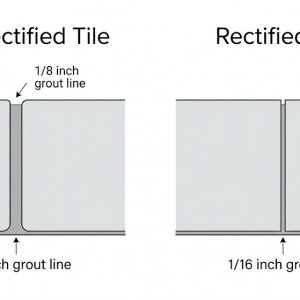
With joints often 1/16 or 1/8 inch wide, standard sanded grout can look rough and is difficult to apply cleanly. Many professionals recommend urethane or epoxy grouts for large format tiles. These products are denser, more stain-resistant, and longer-lasting. They also carry a significantly higher price per bucket.
They are also less forgiving to work with. Urethane grout requires exact water ratios and precise timing during cleanup. Errors result in a cloudy or permanently discolored finish. The labor to install premium grout is almost always more expensive than standard grout work.
Logistics and Delivery
Getting the material home is its own challenge. A pallet of large format tiles can weigh several thousand pounds.
Standard delivery typically drops the load at the curb. From there, you or your contractor must move it inside. Manually transporting a multi-ton pallet into a living room is exhausting, slow, and potentially hazardous. Many tile shops offer inside delivery for an additional charge. The fee is worthwhile. It protects your health and saves your installer considerable time.
Some contractors add a hauling surcharge if they must transfer tiles from the driveway to the job site individually. Clarify delivery terms well before the truck arrives, so you are not caught off guard by a pallet sitting in bad weather.
A Final Note on Budgeting
There is no denying the visual impact of large format tiles. They expand perceived space and add real value to a property. But they are not an economical shortcut.
As you plan, look past the price displayed at the tile shop. Factor in subfloor preparation, elevated labor rates, specialized mortar, heavy-duty tools, and increased waste allowance. Request detailed, itemized quotes from your installer. Ask specifically about overlooked costs such as leveling clips, inside delivery, and premium grout materials.
Smart budgeting means understanding the complete financial picture before the first tile is set. It prevents unwelcome surprises, safeguards your timeline, and ensures the seamless surface you envisioned becomes reality.