






Quick Answer:Top Beginner Yacht Buying Mistakes You Must Avoid
- Underestimating total ownership costs beyond the purchase price
- Choosing a yacht that is too large to handle confidently
- Ignoring maintenance complexity and long-term upkeep requirements
- Focusing on design and features instead of condition and usability
- Skipping professional inspections and real-world performance checks
Understanding beginner yacht buying mistakes early can save you not just money, but also frustration and underutilization. From a broker and advisor perspective, most first-time buyers don’t fail because of budget—they fail because of misaligned expectations. Whether browsing listings of new yachts or pre-owned options, the key is not what looks impressive, but what actually works for your experience level, usage plans, and long-term ownership capacity.
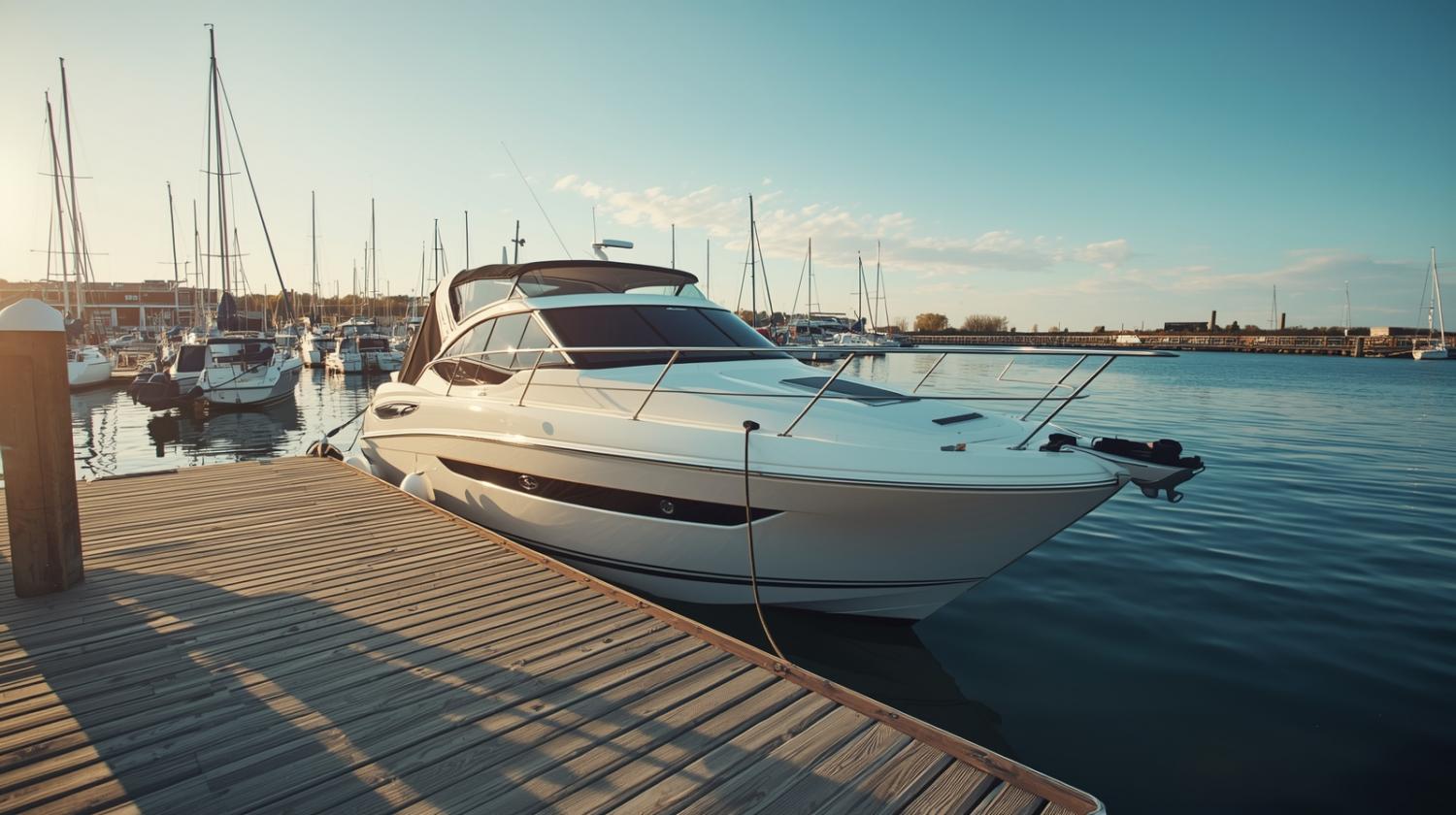
Why First-Time Yacht Buyers Often Make Costly Mistakes
First-time yacht buyers approach the market with enthusiasm, but often without a full understanding of what ownership really involves. Unlike cars or even luxury properties, yachts combine mechanical systems, lifestyle expectations, and ongoing operational responsibilities.
One of the most common issues is emotional decision-making. Buyers are drawn to sleek designs, spacious interiors, and brand reputation. However, these factors rarely reflect how the yacht will perform in everyday use. A visually impressive yacht can still be difficult to handle, expensive to maintain, or poorly suited to the owner’s actual needs.
Another factor is lack of experience with marine systems. Engines, electrical systems, plumbing, and navigation equipment all require regular attention. Without prior exposure, it’s easy to overlook the complexity involved in keeping everything running smoothly.
There is also a tendency to overestimate usage. Many buyers imagine frequent long-distance cruising or extended stays onboard, but in reality, most first-time owners use their yachts for shorter, local trips. This mismatch often leads to overbuying—choosing a larger or more complex yacht than necessary.
From industry experience, the buyers who make the fewest mistakes are those who approach the process conservatively. They prioritize usability, condition, and manageable costs over size and prestige.
Understanding why these mistakes happen is the first step toward avoiding them.
Mistake #1: Underestimating Total Ownership Costs
The most financially impactful mistake is underestimating the true cost of owning a yacht. The purchase price is only the beginning, and ongoing expenses can quickly exceed expectations if not properly planned.
A commonly used benchmark in the industry is that annual ownership costs range between 5% and 10% of the yacht’s value. This includes maintenance, insurance, marina fees, and operational expenses. However, this figure can increase depending on usage and vessel complexity.
Maintenance alone can be substantial. Engines require regular servicing, hulls need cleaning and anti-fouling, and onboard systems must be inspected and maintained. Even minor repairs can become costly due to the specialized nature of marine equipment.
Marina costs vary significantly by location but tend to increase with yacht size. Premium marinas in desirable cruising areas can add a significant financial burden, especially for larger vessels.
Fuel is another variable expense. For motor yachts, fuel consumption increases rapidly with size and speed. Owners who plan frequent cruising must account for this in their budget.
From a practical standpoint, buyers who allocate their full budget to the purchase often struggle with ongoing costs. A more effective strategy is to purchase below your maximum budget and reserve funds for maintenance and operation.
Realistic financial planning is not just about affordability—it directly impacts how often and how comfortably you can use your yacht.
Mistake #2: Choosing the Wrong Yacht Size
Size is one of the most misunderstood factors in yacht buying. Many first-time buyers assume that a larger yacht will provide a better experience, but in practice, it often creates unnecessary challenges.
Larger yachts offer more space and amenities, but they also require greater skill to operate. Docking, maneuvering in tight marinas, and handling changing conditions become significantly more demanding as size increases.
In addition to handling difficulty, costs scale with size. Maintenance, marina fees, insurance, and fuel consumption all increase, sometimes disproportionately. This can limit usage if operating costs become restrictive.
On the other hand, choosing a yacht that is too small can also lead to dissatisfaction, particularly if it lacks sufficient space for your intended use. The key is finding a balance between comfort and manageability.
From real-world experience, the 30–50ft range is often ideal for beginners. Yachts in this category provide enough space for comfortable cruising while remaining manageable for owner operation.
Another consideration is crew requirements. Larger yachts may require additional crew or at least experienced assistance, which adds both cost and complexity.
The best size is not the largest you can afford, but the one you can confidently operate and maintain. Buyers who prioritize control and usability tend to have a far better ownership experience.
Mistake #3: Ignoring Maintenance and Upkeep Complexity
Maintenance is one of the least visible yet most demanding aspects of yacht ownership. Many first-time buyers focus on the purchase itself without fully understanding what it takes to keep a yacht in reliable condition.
Every yacht, regardless of size or type, is a combination of mechanical and environmental systems constantly exposed to saltwater, humidity, and wear. Engines require scheduled servicing, electrical systems need inspection, and hull integrity must be maintained to ensure safety and performance.
What often surprises new owners is not just the cost, but the consistency required. Maintenance is not a one-time effort—it is an ongoing responsibility. Skipping routine checks or delaying repairs can quickly lead to more serious and expensive issues.
Complexity also increases with additional features. Stabilizers, generators, advanced navigation systems, and onboard amenities all improve comfort but add layers of maintenance. For beginners, more systems often mean more potential points of failure.
From a brokerage perspective, one of the most common regrets is buying a yacht that is too complex for the owner’s level of involvement. Simpler yachts are not only easier to manage but also more forgiving when issues arise.
A practical approach is to match system complexity with your willingness to maintain it. Buyers who start with simpler configurations tend to gain confidence and experience more quickly.
Mistake #4: Focusing Only on Appearance and Features
It is natural to be drawn to aesthetics—sleek exteriors, modern interiors, and high-end finishes are part of what makes yachts appealing. However, prioritizing appearance over functionality is a mistake that often leads to disappointment.
A well-designed interior does not guarantee a good ownership experience. Layout efficiency, storage space, visibility from the helm, and ease of movement onboard are far more important in daily use.
For example, a yacht with an impressive salon may have limited access to essential controls or poor cockpit ergonomics. Similarly, a stylish layout may sacrifice practical storage, making longer trips less comfortable.
Condition is another critical factor often overlooked. A visually appealing yacht may hide underlying mechanical or structural issues. Without proper inspection, buyers risk inheriting costly problems that were not immediately visible.
From experience, the most satisfied owners are those who prioritize how the yacht functions rather than how it looks. A slightly less visually impressive yacht that performs reliably will always deliver a better long-term experience.
Professional surveys and sea trials are essential in this process. They provide objective insights into performance, condition, and usability—factors that cannot be judged by appearance alone.
How to Avoid These Mistakes and Buy Smart
Avoiding common mistakes is less about expertise and more about approach. A structured, realistic process can significantly improve the outcome of your first yacht purchase.
Start with clarity on how you plan to use the yacht. Define whether your focus is on day trips, weekend cruising, or longer journeys. This will guide decisions on size, layout, and features.
Set a total budget that includes not only the purchase price but also ongoing costs. Leaving financial room for maintenance and operation ensures that ownership remains enjoyable rather than stressful.
Prioritize usability over specifications. A yacht that is easy to handle and maintain will be used more frequently, which ultimately defines its value.
Engage professionals early in the process. Brokers, surveyors, and instructors provide practical insights that go beyond listings and specifications. Their experience can help identify risks and opportunities that are not immediately obvious.
Sea trials should never be skipped. Operating the yacht in real conditions reveals how it handles, how systems perform, and whether it aligns with your expectations.
Finally, think long-term. The best purchase is not the one that looks the most impressive today, but the one that continues to meet your needs over time.
Conclusion
Buying your first yacht is a significant milestone, but it comes with challenges that are often underestimated. The most common mistakes—misjudging costs, choosing the wrong size, overlooking maintenance, and focusing on appearance—are all avoidable with the right mindset.
Successful buyers approach the process with realism rather than emotion. They focus on practicality, long-term usability, and manageable ownership rather than short-term excitement.
A well-chosen yacht should feel intuitive to operate, financially sustainable, and aligned with your actual lifestyle. When these elements come together, ownership becomes not just achievable, but genuinely enjoyable.
FAQ
Q1: What is the biggest mistake first-time yacht buyers make?
A1: Underestimating total ownership costs is the most common mistake, often leading to financial strain and reduced usage.
Q2: How much should I budget beyond the purchase price?
A2: Plan for 5%–10% of the yacht’s value annually to cover maintenance, insurance, marina fees, and operational expenses.
Q3: What size yacht is safest for beginners?
A3: Yachts in the 30–50ft range are generally ideal, offering a balance between comfort, control, and manageable operating complexity.