










I've watched dozens of advertisers enter the sports betting space over the past few years, and there's a pattern that repeats itself. Most come in expecting to test the waters with a modest budget, only to realize that sports betting ads aren't designed for casual experimentation. The platforms, the bidding structures, the compliance layers—everything is built assuming you already know what you're doing and have the budget to prove it.
This isn't a criticism of the industry. It's just the reality of how sports betting advertising has evolved. The infrastructure favors established advertisers who can afford to lose money while they learn, who have legal teams on retainer, and who can absorb the cost of rejected creatives or sudden policy changes. If you're just starting out, or if you're used to running campaigns in less regulated verticals, the learning curve can feel steep.

The Advertiser Pain Point Nobody Talks About
Here's what most articles won't tell you: the biggest challenge in running a sports betting campaign isn't getting clicks. It's getting approved. You can have the perfect creative, the ideal targeting, and a competitive bid—but if your ad doesn't pass compliance review, none of that matters. And the rules vary wildly depending on the platform, the jurisdiction, and even the time of year.
I've seen campaigns sit in review for days, only to get rejected for reasons that weren't clearly explained. The feedback is often vague: "policy violation" or "prohibited content." You resubmit with changes, wait again, and hope for better luck. Meanwhile, your competitor's ads are running, and you're stuck troubleshooting.
This is where the industry's favoritism toward experienced advertisers becomes obvious. If you've been running sports betting advertisement campaigns for years, you already know which creative elements trigger rejections. You know which platforms are more lenient in certain states. You've built relationships with account reps who can expedite reviews. Beginners don't have any of that.
Why Most Sports Betting Promotions Miss the Mark
Another issue is how most sports betting promotion strategies are designed around high-volume, low-margin user acquisition. The assumption is that you'll acquire thousands of users, a small percentage will convert into regular bettors, and you'll recoup your costs over time through their lifetime value. That model works if you have the capital to sustain it. But for smaller advertisers, it's a gamble in itself.
The problem compounds when you look at how online sports betting ads are priced. CPMs in this vertical can be significantly higher than in other industries, especially during peak sports seasons. If you're running ads for sports betting during March Madness or the NFL playoffs, you're competing against brands with deep pockets who are willing to pay premium rates to dominate the inventory. Your budget gets eaten up quickly, and if your conversion funnel isn't optimized, you're just burning money.
What makes this worse is that many advertisers treat paid ads for sports betting as if they're running a standard e-commerce campaign. They focus on impressions and clicks without accounting for the unique dynamics of betting behavior. Bettors are habitual. They stick with platforms they trust. If your ad doesn't immediately establish credibility, or if your landing page doesn't load fast enough, you've lost them. And unlike e-commerce, where you can retarget and nurture leads over weeks, betting is often impulse-driven. The window to convert is narrow.
A Smarter Approach to Sports Gambling Ads
So what's the alternative? If traditional sports gambling ads favor big budgets and established players, how do you compete without draining your resources?
First, recognize that not all ad inventory is created equal. Major platforms like Google and Meta have strict restrictions on sports betting, which means supply is limited and prices are high. But there are specialized networks that cater specifically to the betting ad network space. These platforms understand the compliance landscape, offer more flexible approval processes, and often have better targeting options for high-intent bettors.
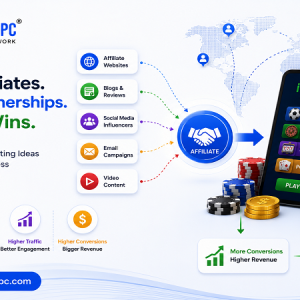
Second, stop trying to compete on volume. Instead, focus on quality. If you're running campaigns through online advertising channels, prioritize placements where you can reach users who are already in a betting mindset. That might mean contextual targeting around sports content, or it might mean working with affiliates who have established audiences. The goal is to reduce waste and increase the likelihood that each impression reaches someone who's actually considering placing a bet.
Third, treat betting ppc as a specialized discipline, not just another vertical. The strategies that work in other industries don't always translate. Bettors respond differently to urgency, they're more skeptical of promotions, and they're sensitive to anything that feels exploitative. Your messaging needs to be straightforward. Your offers need to be transparent. And your follow-through needs to be seamless.
Finally, if you're serious about scaling, you need to think beyond just sports betting. The broader igaming advertising ecosystem—which includes casino games, poker, and other forms of online gambling—shares many of the same challenges. Advertisers who understand how to navigate one vertical often have an easier time expanding into others. The compliance knowledge transfers. The creative strategies overlap. And the audience pools intersect more than you'd expect.
If you're looking for a platform that understands the complexities of sports betting advertising and offers the tools to run campaigns without the usual headaches, consider exploring 7Search PPC. It's built with advertisers in mind—flexible approval processes, competitive rates, and targeting options that actually make sense for this vertical.

Final Thoughts
The sports betting ad space isn't going to get easier. As more states legalize online betting and more brands enter the market, competition will only intensify. The platforms will continue to favor advertisers who already have the infrastructure and experience to navigate the complexity. But that doesn't mean smaller advertisers or newcomers are shut out entirely. It just means you need to be smarter about how you approach it.
Focus on efficiency over volume. Choose platforms that understand your needs. Test aggressively but with clear metrics in mind. And most importantly, don't assume that what works in other industries will work here. Sports betting advertising is its own beast, and the sooner you treat it that way, the better your results will be.
Frequently Asked Questions (FAQs)
Why are sports betting ads so expensive compared to other industries?
Ans. The limited inventory due to platform restrictions, combined with high competition during peak sports seasons, drives up CPMs significantly. Advertisers are bidding for a smaller pool of available impressions, which naturally inflates costs.
What's the biggest mistake new advertisers make in sports betting campaigns?
Ans. Treating it like a standard e-commerce campaign. Bettors have different behaviors and expectations. They're skeptical of promotions, they convert quickly or not at all, and they're extremely sensitive to trust signals. Generic ad strategies rarely work.
How long does it typically take to get a sports betting ad approved?
Ans. It varies wildly by platform and jurisdiction. Some ads get approved within hours, others sit in review for days. The lack of transparency in the approval process is one of the most frustrating aspects for advertisers trying to launch time-sensitive campaigns.
Are specialized betting ad networks worth using over major platforms?
Ans. Often, yes. They tend to have more flexible approval processes, better understanding of compliance requirements, and targeting options specifically built for betting audiences. If you're struggling with rejections on major platforms, specialized networks can be a better fit.
Can smaller advertisers compete effectively in sports betting advertising?
Ans. They can, but not by trying to outspend larger competitors. Success comes from focusing on efficiency, choosing the right platforms, targeting high-intent audiences, and treating betting as a specialized discipline rather than just another vertical.